From Harsh Glare to Perfect Shade: Choosing the Right Fabric for Your Florida Patio Sun Shades
Standing on your patio during a Florida afternoon, you feel the relentless sun beating down. The glare makes it impossible to enjoy your outdoor space, and the heat radiating through your windows is driving up your energy bills. The solution isn’t abandoning your patio—it’s choosing the right patio sun shades with fabric that can handle Florida’s unique climate challenges.
The fabric you select for your patio sun shades determines everything: how much heat you block, how long your investment lasts, whether mildew becomes a constant battle, and ultimately, how much you enjoy your outdoor living space. This isn’t just about picking a color you like. In Central Florida’s climate, the wrong fabric choice can mean replacing your shades in just a few years, while the right one protects your home and stays beautiful for over a decade.
Understanding Fabric Materials for Patio Sun Shades
Solution-Dyed Acrylic: The Premium Choice
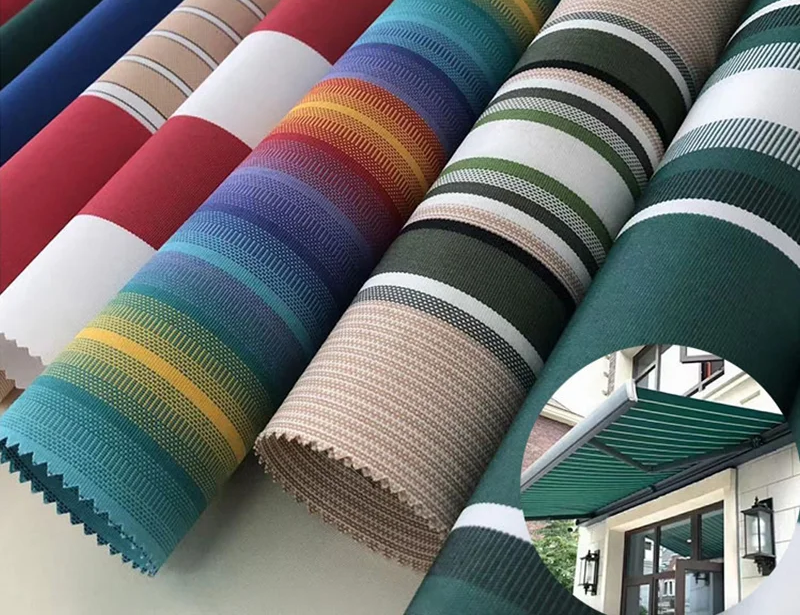
Solution-dyed acrylic fabrics, with Sunbrella being the most recognized brand, represent the gold standard for patio sun shades in Florida. Unlike fabrics that are dyed after weaving, solution-dyed acrylics have color embedded into the fiber itself before the fabric is woven. This fundamental difference means the color won’t fade even after years of exposure to Florida’s intense UV rays.
The performance speaks for itself. These fabrics naturally resist mildew growth, though they can develop spots if dirt and organic matter accumulate on the surface—a common issue in humid Florida. The fabric breathes, allowing hot air to escape rather than trapping it underneath your shade structure. This breathability makes a noticeable difference in comfort on those sweltering summer afternoons.
Water repellency is another key advantage. While not completely waterproof, solution-dyed acrylic fabrics shed water effectively, protecting your outdoor furniture during sudden afternoon thunderstorms. The fabric comes treated with a fluorocarbon finish that enhances this water resistance, though you’ll need to reapply protection every few years after deep cleaning.
Expect to pay more upfront for solution-dyed acrylic, but the investment pays off. With proper care, these fabrics last 10-15 years in Florida’s climate, backed by comprehensive manufacturer warranties that protect against UV degradation, color loss, and material breakdown.
High-Density Polyethylene (HDPE): The Budget-Friendly Performer
HDPE mesh fabrics offer a more affordable entry point without sacrificing too much performance. These knitted fabrics, often sold under brand names like Coolaroo, use a lockstitch construction that prevents fraying when cut and provides excellent wind resistance—critical during Florida’s hurricane season.
The open-weave structure is HDPE’s defining characteristic. Millions of tiny holes allow air to circulate freely, keeping the space underneath significantly cooler than solid fabrics. Tests show HDPE mesh can reduce temperatures by up to 32 percent while still blocking 90-95 percent of harmful UV rays. This makes them particularly effective for patios, pergolas, and carport covers where airflow matters.
HDPE naturally resists mold, mildew, and bacterial growth thanks to its polyethylene composition. In Florida’s humid climate, this resistance means less maintenance and fewer cleaning headaches. The material won’t rot or degrade when wet, and it dries quickly after rain.
The tradeoff comes in appearance and longevity. HDPE fabrics have a more industrial look compared to the soft, woven appearance of acrylic fabrics. They typically carry warranties of 10-15 years but may show wear sooner in high-traffic areas. Colors are somewhat limited, though manufacturers now offer options beyond basic tan and green.
Vinyl-Coated Polyester: Maximum Protection
When you need complete protection from sun and rain, vinyl-coated polyester delivers. These fabrics feature a polyester core completely encased in a vinyl coating, creating a waterproof barrier that blocks 95-98 percent of UV rays while also keeping rain out entirely.
Commercial applications favor vinyl-coated polyester for good reason. The material is incredibly durable, resisting tears, punctures, and abrasion better than other options. It maintains dimensional stability even in extreme heat, meaning your shade structure won’t sag or stretch over time.
The vinyl coating also makes maintenance simple. Dirt, pollen, and mildew wipe away easily with soap and water—no special cleaning products required. This ease of maintenance appeals to businesses and homeowners who want effective shade without ongoing upkeep demands.
However, vinyl-coated polyester comes with drawbacks for residential use. The material doesn’t breathe, which means heat can build up underneath unless the structure has adequate ventilation on multiple sides. It’s also heavier and more expensive than other options, and some people find the appearance too commercial for their taste. Installation requires sturdy mounting hardware to support the additional weight.
Key Performance Factors for Florida Conditions
UV Protection Ratings
UV protection isn’t a one-size-fits-all metric. Fabrics are rated by their UV block percentage and UPF (Ultraviolet Protection Factor) rating, similar to sunscreen’s SPF.
For Florida patios, you want fabrics blocking at least 90 percent of UV rays, which translates to a UPF rating of 30-50+. This level of protection keeps you and your family safe from harmful radiation while also protecting outdoor furniture from fading and deterioration. Premium fabrics like Sunbrella block 98 percent of UV rays, providing peace of mind for areas where children play or where you spend extended time outdoors.
The openness factor affects UV protection significantly. Tighter weaves block more UV but may trap more heat and reduce visibility. Medium UV block fabrics (70-90 percent) offer a balance between protection and light transmission, while high UV block options (90-98 percent) are essential for pool areas, playgrounds, and west-facing patios that receive intense afternoon sun.
Mildew Resistance in High Humidity
Florida’s humidity creates perfect conditions for mildew growth, making resistance a critical consideration. Even fabrics marketed as mildew-resistant can develop problems if organic matter accumulates on the surface.
The key distinction: some fabrics resist mildew growth inherently through their material composition, while others rely on chemical treatments that can degrade over time. HDPE fabrics naturally resist mildew because the polyethylene material doesn’t provide nutrients for mildew spores. Solution-dyed acrylics resist mildew through their tight weave and treatments, though they require regular cleaning to prevent dirt buildup that mildew can feed on.
Regular maintenance prevents most mildew issues. Monthly rinsing removes pollen, dirt, and organic debris before mildew can establish. For stubborn mildew spots, a diluted bleach solution (1 cup bleach and 1/4 cup mild soap per gallon of water) effectively removes growth without damaging quality fabrics. After any bleach cleaning, reapplying a fabric protector like 303 Fabric Guard restores water repellency and helps prevent future mildew.
Color Selection and Heat Absorption
Color affects more than aesthetics—it influences how much heat your patio sun shades absorb and radiate. Light colors reflect more solar energy, keeping the area underneath cooler. White, beige, and light gray fabrics reflect heat away from your patio, making them ideal for areas where temperature control is paramount.
Dark colors absorb more heat, which might seem like a disadvantage. However, the effect is often overstated. If your shade structure is mounted high enough with adequate airflow on three sides, even dark fabrics dissipate absorbed heat effectively. The real temperature difference between light and dark fabrics may be only a few degrees—often negligible compared to the shade itself.
Consider your specific needs when selecting colors. Dark colors provide better glare reduction and privacy while enhancing visibility outward—perfect if your patio overlooks a bright landscape. Light colors create a brighter, airier atmosphere and maximize cooling efficiency. Many homeowners in Central Florida choose medium tones that balance these factors while coordinating with their home’s exterior.

Durability and Weather Resistance
Wind and Storm Preparation
Central Florida experiences everything from daily afternoon thunderstorms to occasional hurricanes. Your patio sun shade fabric needs to withstand these conditions or retract safely when severe weather threatens.
Quality fabrics handle wind through a combination of material strength and proper installation. HDPE mesh fabrics excel in wind resistance because their open weave allows wind to pass through rather than catching it like a sail. Solution-dyed acrylics are also engineered for wind loads, with many meeting or exceeding Miami-Dade County’s strict building codes for wind resistance.
The retractability factor matters tremendously. Motorized retractable systems allow you to quickly retract your shade when weather deteriorates, protecting your investment. Even manual systems offer this flexibility, though they require you to be home and take action. Permanent shade structures need fabrics rated for high wind loads and hardware designed to prevent tearing at stress points.
Consider also the hardware, not just the fabric. Poor-quality mounting brackets or weak arms will fail long before quality fabric does. Professional installation ensures your shade system can handle Florida’s weather challenges.
Fade Resistance and Color Retention
Nothing ruins a patio’s appearance faster than faded, discolored shade fabric. Florida’s intense sunlight accelerates fading in lower-quality materials, turning vibrant colors dull and washed-out within months.
Solution-dyed fabrics lead in fade resistance because the color permeates the entire fiber. Even as the outer surface weathers, fresh color remains visible underneath. These fabrics typically carry 10-year warranties against fading, a testament to their durability. Cheaper alternatives that use surface-applied dyes fade quickly, often showing significant color loss within the first year.
Regular cleaning actually helps maintain color by removing dirt and pollutants that can cause discoloration. However, avoid harsh chemicals and excessive bleach, which can damage even high-quality fabrics over time. When properly maintained, premium shade fabrics retain their color and appearance for over a decade, even under Florida’s relentless sun.
Energy Efficiency and Cost Savings
Reducing Cooling Costs
The right patio sun shades don’t just improve outdoor comfort—they significantly reduce indoor cooling costs. By blocking sunlight before it reaches your windows and walls, shade fabric prevents solar heat gain that would otherwise warm your home’s interior.
Research from the U.S. Department of Energy shows that window awnings and shades can reduce solar heat gain by 65 percent on south-facing windows and 77 percent on west-facing windows. Energy savings vary by home and depend on window type, orientation, insulation, shade coverage, thermostat settings, and weather, so Central Florida Awnings does not promise a universal dollar amount.
The mechanism is simple but effective. When sunlight hits your windows, it converts to heat that your air conditioning must work to remove. By intercepting this sunlight with patio sun shades, you prevent the heat from entering in the first place. This reduces both the workload on your AC unit and the time it runs—extending the life of your HVAC system while cutting energy costs.
Nearly 20 percent of an air conditioner’s workload comes from sunlight entering through windows. Fabric shades dramatically reduce this burden, allowing you to potentially install a smaller-capacity AC system in new construction or renovation projects.
Protecting Interior Furnishings
Beyond energy savings, quality patio sun shades protect everything inside your home from UV damage. Direct sunlight fades flooring, furniture upholstery, artwork, and window treatments. Over time, these items can lose thousands of dollars in value due to sun exposure.
UV-blocking fabrics create a protective barrier that filters harmful rays before they reach your interior spaces. This protection extends the life of your furnishings significantly, effectively paying for your shade investment through preserved value. For rooms with expensive hardwood floors, leather furniture, or valuable artwork, this protection alone justifies the cost of premium shade fabric.
The protection works both ways—your shade fabric also shields outdoor furniture on your patio from fading and deterioration. Even UV-resistant outdoor furniture benefits from additional shade, lasting years longer when protected by quality shade fabric.
Maintenance and Longevity
Cleaning and Care Requirements
Proper maintenance extends your shade fabric’s life and keeps it looking new. The good news: quality fabrics require minimal ongoing care, with most needing only occasional cleaning to maintain performance and appearance.
Monthly rinsing with a garden hose removes accumulated dust, pollen, and debris. This simple step prevents buildup that can attract mildew and staining. For solution-dyed acrylic fabrics, brush off loose dirt before hosing, as dried debris can be harder to remove once wet.
Deep cleaning becomes necessary once or twice a year, or when visible stains appear. Mix mild soap with water and scrub gently with a soft bristle brush. For tougher stains or mildew, the bleach solution mentioned earlier works effectively without damaging quality fabrics. Always rinse thoroughly to remove all soap residue—leftover soap actually attracts dirt and promotes mildew growth.
After cleaning with bleach, reapply a fabric protector. This step restores water repellency and stain resistance that cleaning strips away. Products like 303 Fabric Guard work well on most shade fabrics, applying easily with a spray bottle. Two light coats prove more effective than one heavy application.
HDPE mesh fabrics require even less maintenance. Their composition resists staining, and mildew rarely establishes on the material itself. A quarterly rinse typically suffices, with spot cleaning for any stubborn marks.

When to Replace vs. Repair
Even the best shade fabric eventually needs replacement. Recognizing when to replace versus repair saves money and prevents sudden failures during storm season.
Minor tears in fabric can often be repaired with patch kits designed for outdoor fabrics. These work best on small punctures or tears that haven’t spread to seams or edges. Repairs should only be temporary solutions, as patched areas remain vulnerable to further tearing, especially in high-wind conditions.
Replace fabric when you notice widespread fading, persistent mildew that cleaning can’t remove, thinning material, or multiple tears. These signs indicate the fabric has reached the end of its useful life. Attempting to extend worn fabric’s service risks complete failure during storms, potentially damaging the shade structure’s frame and hardware.
Premature fabric failure often results from improper maintenance or low-quality materials rather than normal wear. Investing in quality fabric from established manufacturers and following proper care procedures ensures you get full value from your shade investment.
Making the Right Choice for Your Space
Assessing Your Specific Needs
Choosing the ideal patio sun shade fabric starts with understanding your specific situation. Several factors should guide your decision beyond just initial cost.
Consider your patio’s orientation. West-facing patios receive the most intense afternoon sun and benefit from maximum UV block fabrics. North-facing areas can use lighter fabrics with lower UV ratings while still providing comfortable shade. South-facing patios need fabrics that balance UV protection with heat reflection.
Think about your primary use. Dining areas benefit from fabrics that reduce glare while maintaining a pleasant ambient light level. Pool areas require maximum UV protection and quick-drying fabrics that handle chlorine exposure. Entertainment spaces might prioritize appearance and color options over absolute performance.
Evaluate your maintenance commitment. If you want minimal upkeep, HDPE mesh or vinyl-coated polyester require less attention than solution-dyed acrylics. However, the aesthetics and performance of premium fabrics often justify their additional maintenance needs.
Budget Considerations
Patio sun shade fabric represents an investment in your home’s comfort, energy efficiency, and value. Understanding the total cost helps you make an informed decision.
Fabric choices vary in performance, longevity, appearance, and suitability for the application. Because the installed project depends on exact dimensions, structure, fabric selection, and installation conditions, Central Florida Awnings provides pricing only after an on-site evaluation and a project-specific written quote.
Consider lifetime value rather than price alone. Fabric durability, color retention, maintenance, exposure, and expected service life all affect long-term value. A premium fabric may be the better choice when its performance and appearance fit the home and intended use.
Energy performance may also contribute to long-term value by reducing solar heat gain before it reaches windows and doors. Actual utility savings vary substantially by home, system placement, coverage, weather, and household use, so they should not be treated as a guaranteed payback figure.
Don’t forget replacement costs. Cheaper fabrics require more frequent replacement, meaning additional labor costs for removal, disposal, and reinstallation. Quality fabrics installed once can serve reliably for over a decade with proper maintenance, avoiding these recurring expenses.
Professional Installation vs. DIY
The complexity of patio sun shade installation varies dramatically based on the system type. Simple shade sails or fixed screens offer reasonable DIY opportunities for handy homeowners. Retractable awnings, motorized systems, and permanent structures benefit from professional installation.
Professional installers bring expertise in proper mounting, wind load calculations, and building code compliance—especially important in Florida where hurricane standards apply. They also ensure warranties remain valid, as many manufacturers require professional installation to honor their coverage.
DIY installation can save money but comes with risks. Improper mounting can lead to failure during storms, potentially damaging your home’s exterior. Incorrect fabric tensioning causes premature wear and poor performance. Unless you have experience with similar projects and appropriate tools, professional installation provides peace of mind worth the additional cost.
Making Your Florida Patio a Comfortable Retreat
Choosing the right fabric for your patio sun shades transforms your outdoor space from a harsh, unusable area into a comfortable extension of your home. The decision comes down to matching fabric properties with Florida’s demanding climate and your specific needs.
Solution-dyed acrylic fabrics like Sunbrella offer the best combination of durability, appearance, and UV protection for homeowners who want premium performance. HDPE mesh provides excellent value for budget-conscious buyers who prioritize function over aesthetics. Vinyl-coated polyester serves commercial applications and situations requiring complete weather protection.
Whatever fabric you choose, prioritize these qualities: high UV block ratings above 90 percent, proven mildew resistance, fade warranties of at least 10 years, and appropriate weather resistance for Central Florida conditions. Regular maintenance and proper installation ensure your investment delivers years of comfortable shade and energy savings.
The right patio sun shades don’t just block the sun—they enhance your lifestyle, reduce energy costs, protect your home’s interior, and create an outdoor space you’ll actually want to use year-round.
Ready to transform your patio from harsh glare to perfect shade? Contact Central Florida Awnings today for a free consultation and quote. Or call us at (844)629-6464 to discuss the best fabric options for your specific needs.