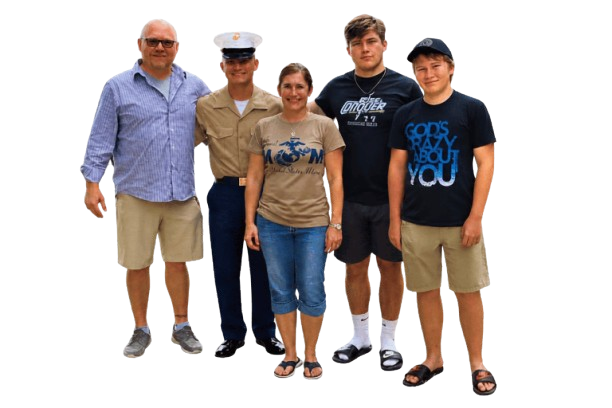
VETERAN OWNED. FAMILY OPERATED.
Duty. Honor. Family.
Top Quality Motorized Awnings & Screens, Installed With Military Precision by The Boval Family.
Florida Summers Can Be Relentless
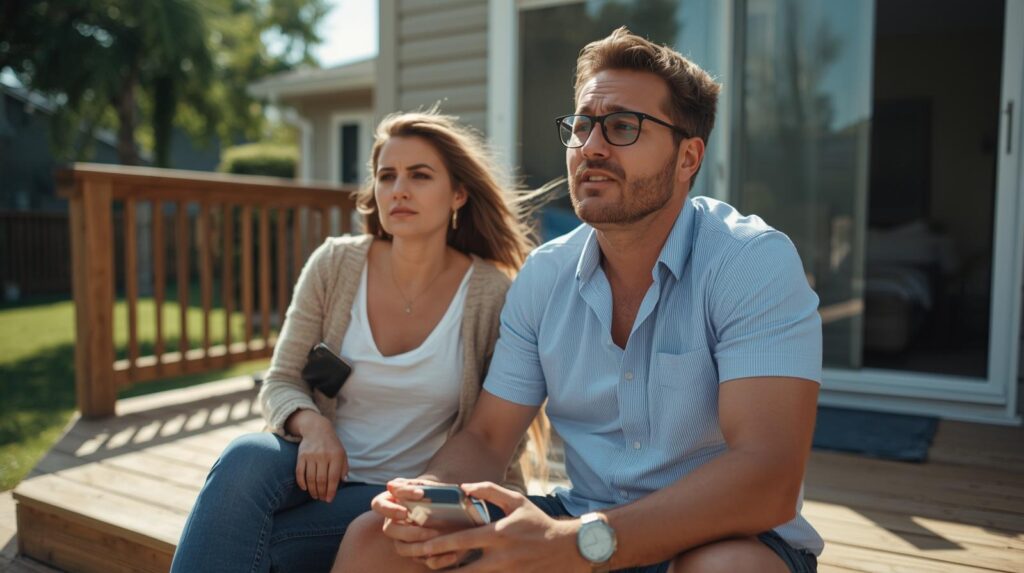
Many Central Florida homeowners Experience:
Punishing heat and UV glare all day…
Unpredictable afternoon pop-up showers…
Relentless sun fading of furniture & flooring.
Central Florida Awnings installs premium quality motorized awnings and screens so Central Florida families can enjoy every inch of their outdoor space, every day of the year — at the touch of a button.
We Know Exactly What Central Florida Demands — And We Know How to Fix It
The Boval family has called Central Florida home for over 25 years. They understand the heat that bakes your lanai by 10am. They know the late-afternoon thunderstorm that ends a backyard gathering before it starts. And they know The Villages community — because they’re part of it.
That’s exactly why they built Central Florida Awnings around one simple promise: premium motorized awnings and screens, installed with military precision, backed by a family guarantee you can count on.
Call (844) 629-6464 Today
Getting Started Is Simple

1) Schedule Your Free Estimate
Call us or fill out our form — we come to you. No pressure, no obligation.
Schedule Free Estimate Here
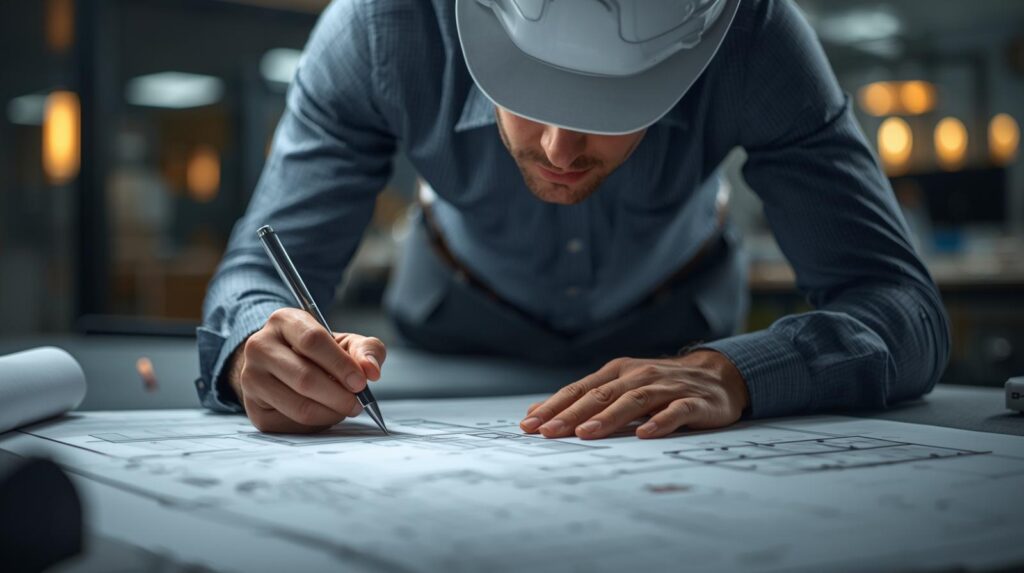
2) We Design Your System
We measure and show you options. You choose the style, color, and features.
Schedule Free Estimate Here

3) Enjoy Your New Space
We install with precision. You relax every day, all year long.
Schedule Free Estimate Here
Re-Imagine Life in Central Florida
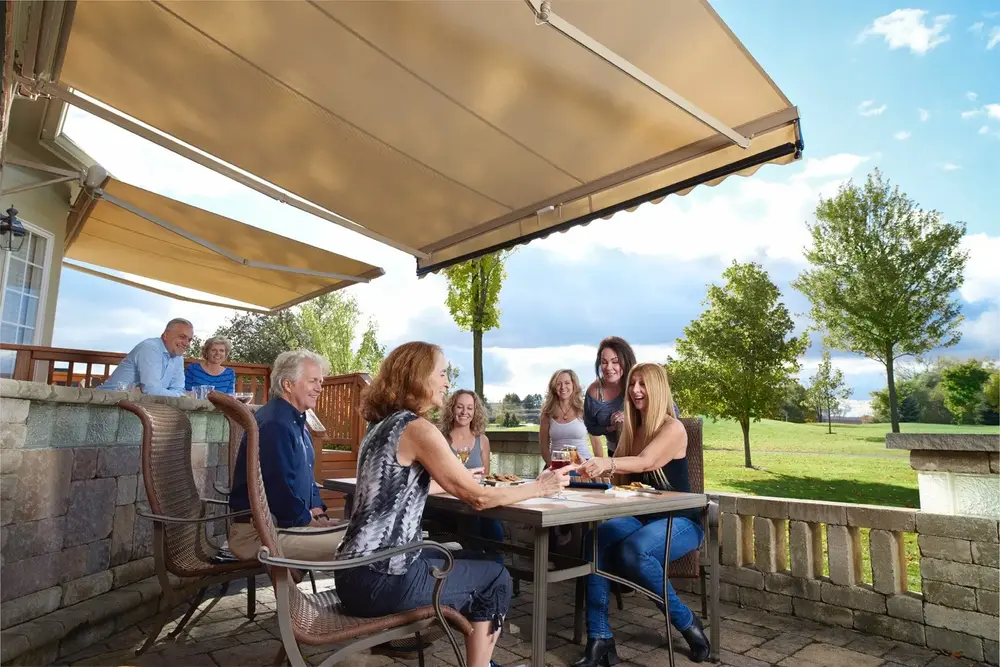
Your New Backyard Retreat Is Closer Than You Think
You don’t have to drive to a resort to find your favorite place to unwind. Stop letting the heat, the bugs, and the afternoon storms steal your evenings — because your own backyard can become the destination.
Morning coffee under a shaded patio that stays cool until noon. Afternoon cookouts that don’t end when the sun gets brutal. Evening gatherings that stretch well past sunset — comfortable, bug-free, and beautiful. Central Florida Awnings makes that happen.
Services
Two Ways We Transform Your Outdoors
Professionally installed retractable awnings & motorized screens, ready at the touch of a button.
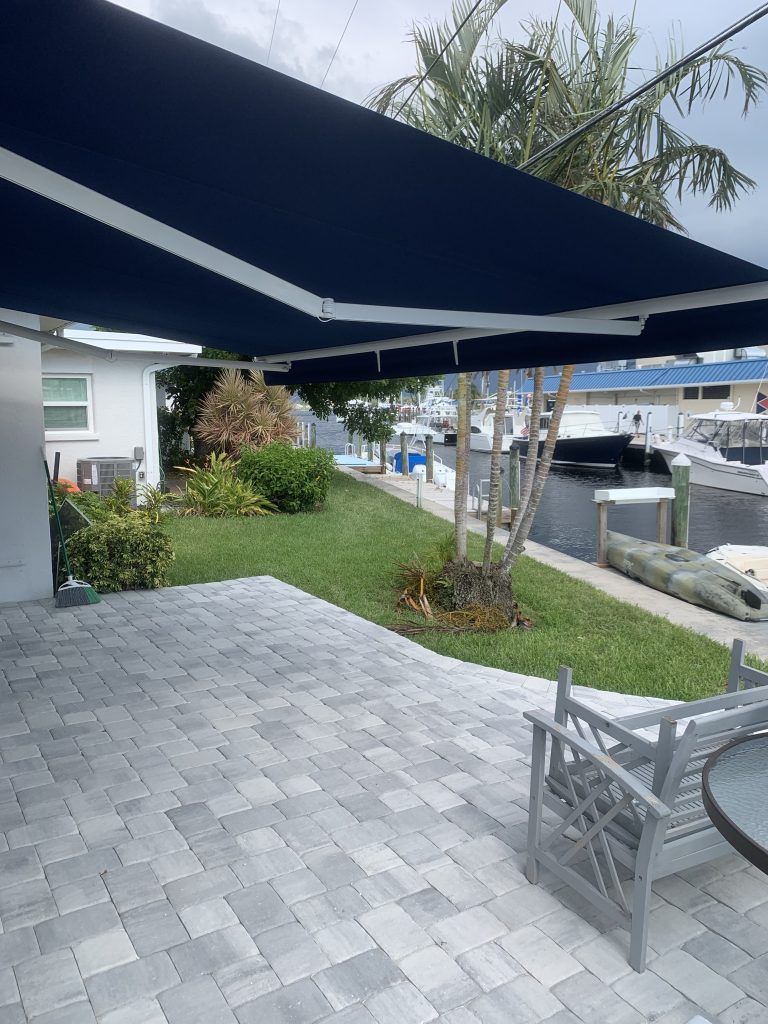
Retractable Awnings
Shade Your Patio. Control Your Comfort.
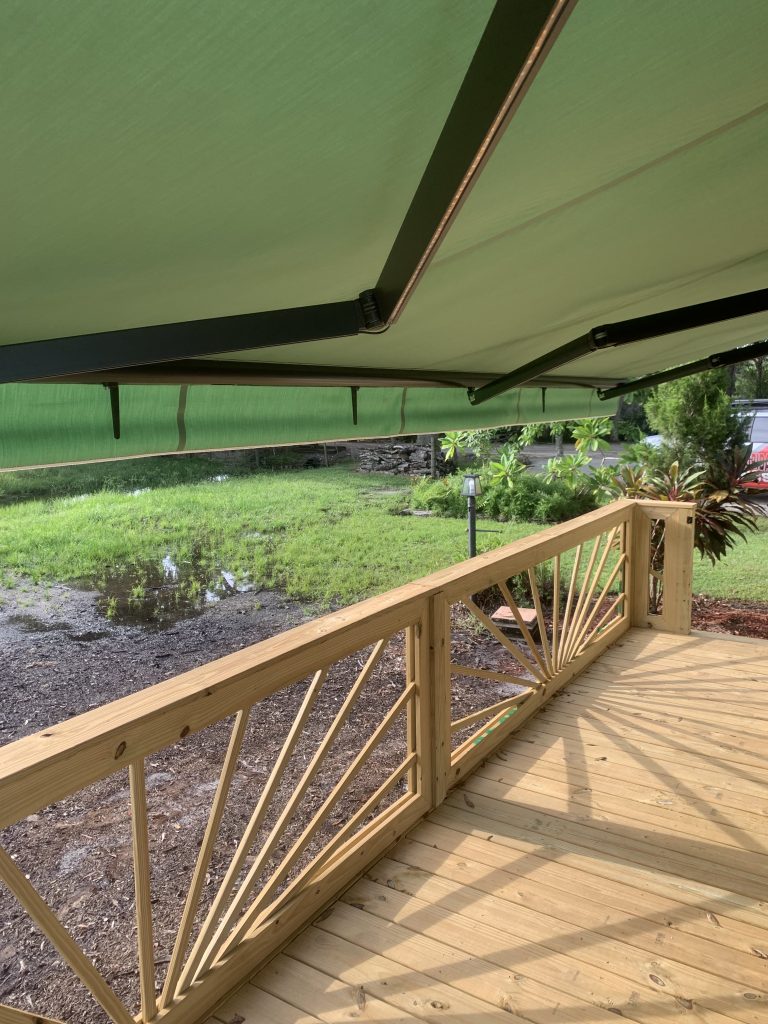
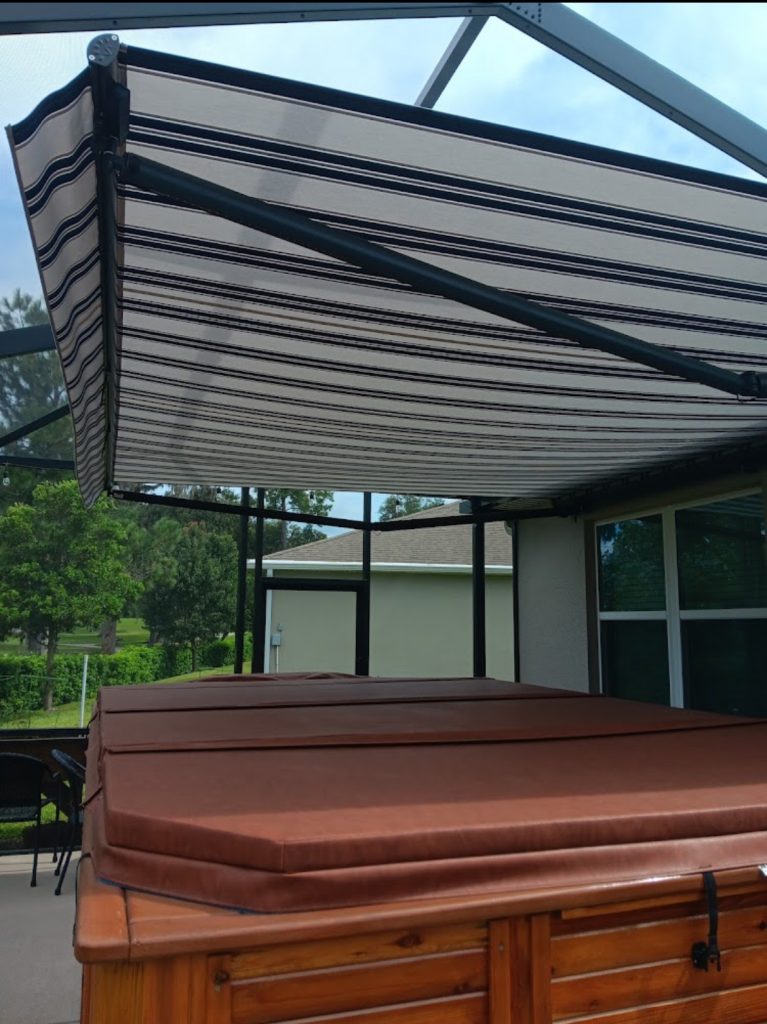
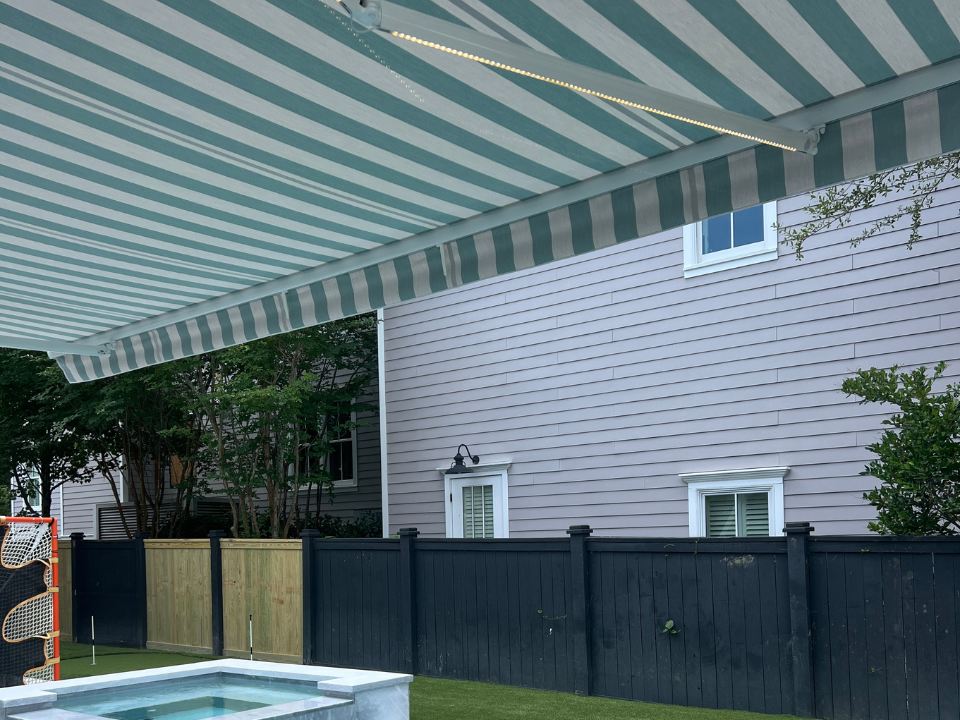
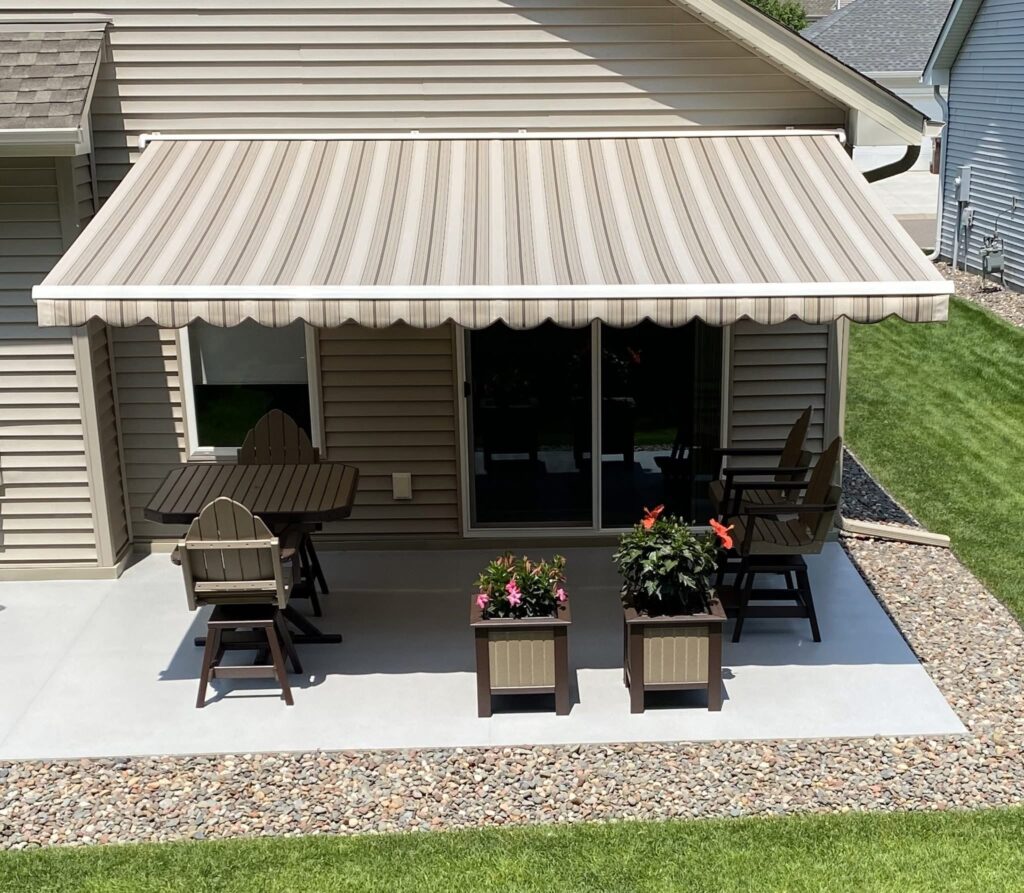
SunPro motorized retractable awnings give you instant shade over any patio, pool deck, or lanai — at the touch of a button. Fully motorized as standard, with Sunbrella fabric in hundreds of colors, built-in LED lighting, and a cassette housing that protects your investment year-round.
Learn more About Our Retractable Awnings
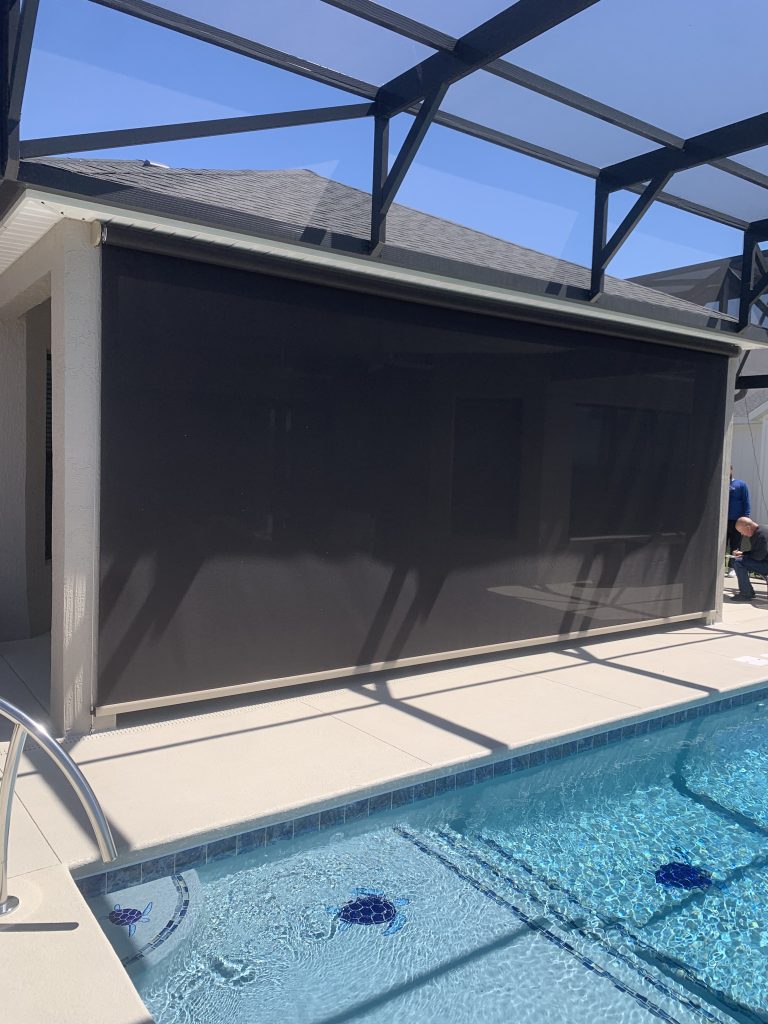
Motorized Screens
Screen Out Everything. Keep Everything Else.
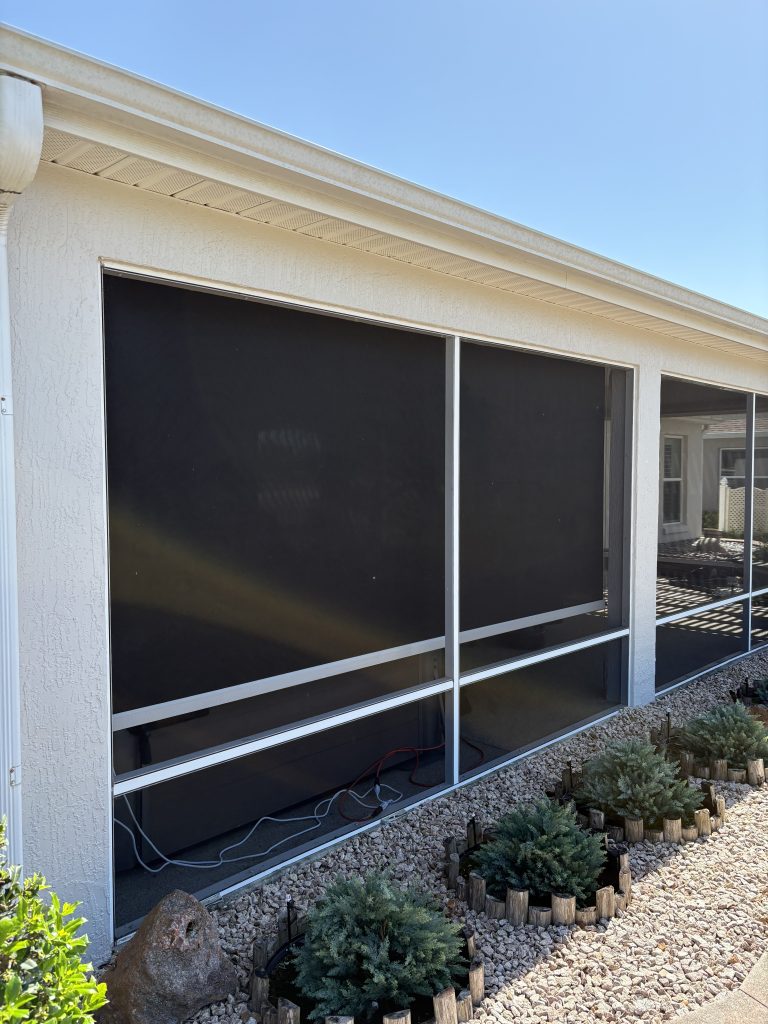
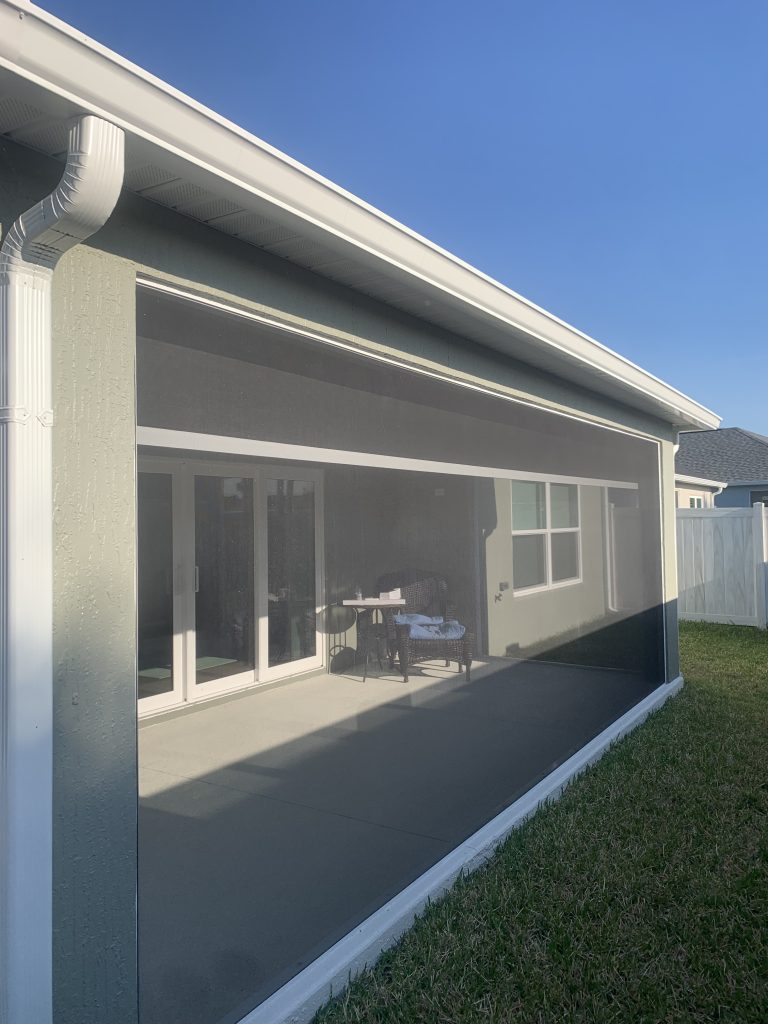
SunPro motorized screens drop silently from the ceiling of your lanai, porch, or outdoor space to block insects, UV rays, wind, and driving rain — while keeping your view, and your style intact. Solar screen, insect screen, or privacy screen — all motorized, all remote-controlled, built for Florida living.
Learn More About Our Motorized Screens
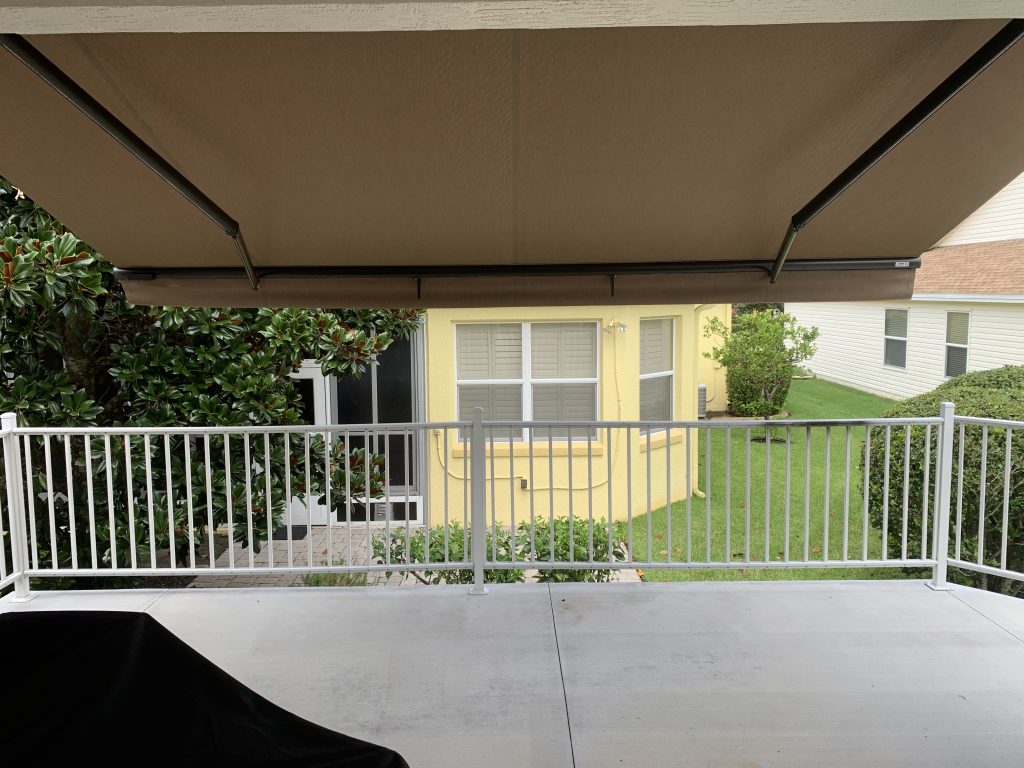
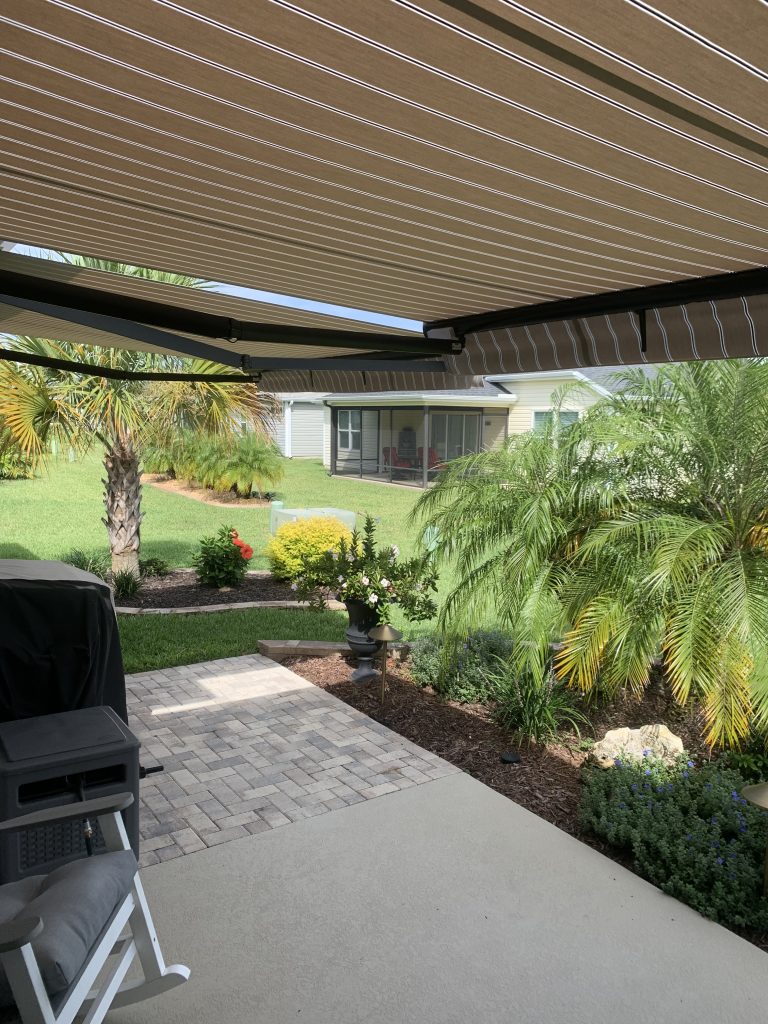
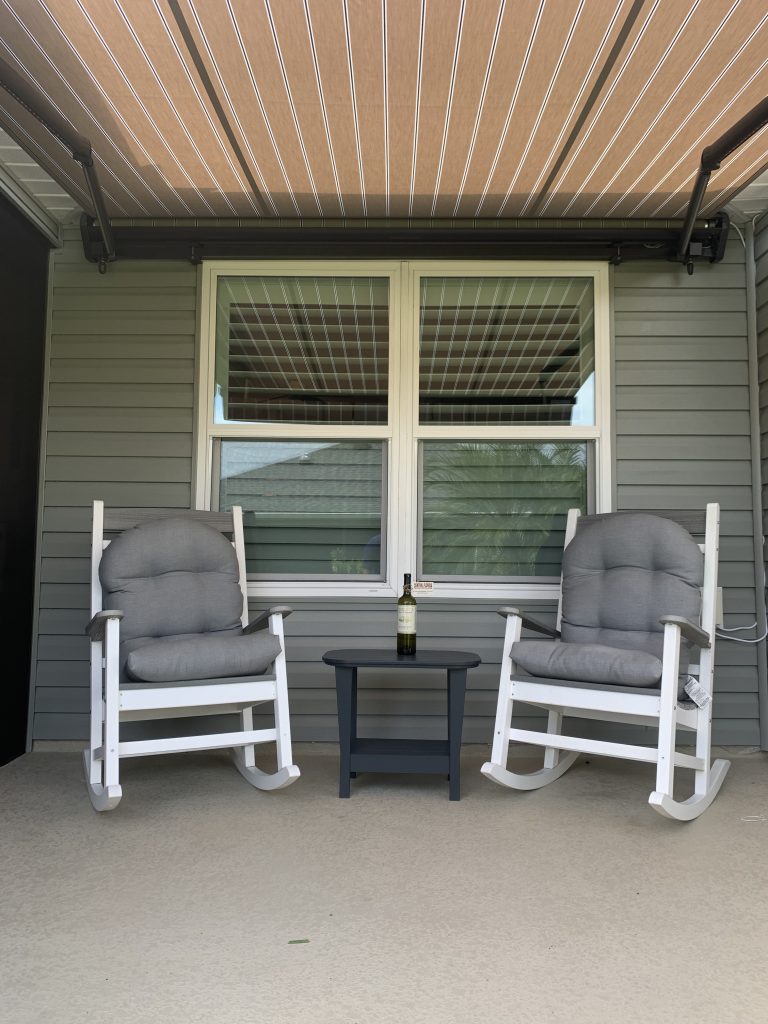
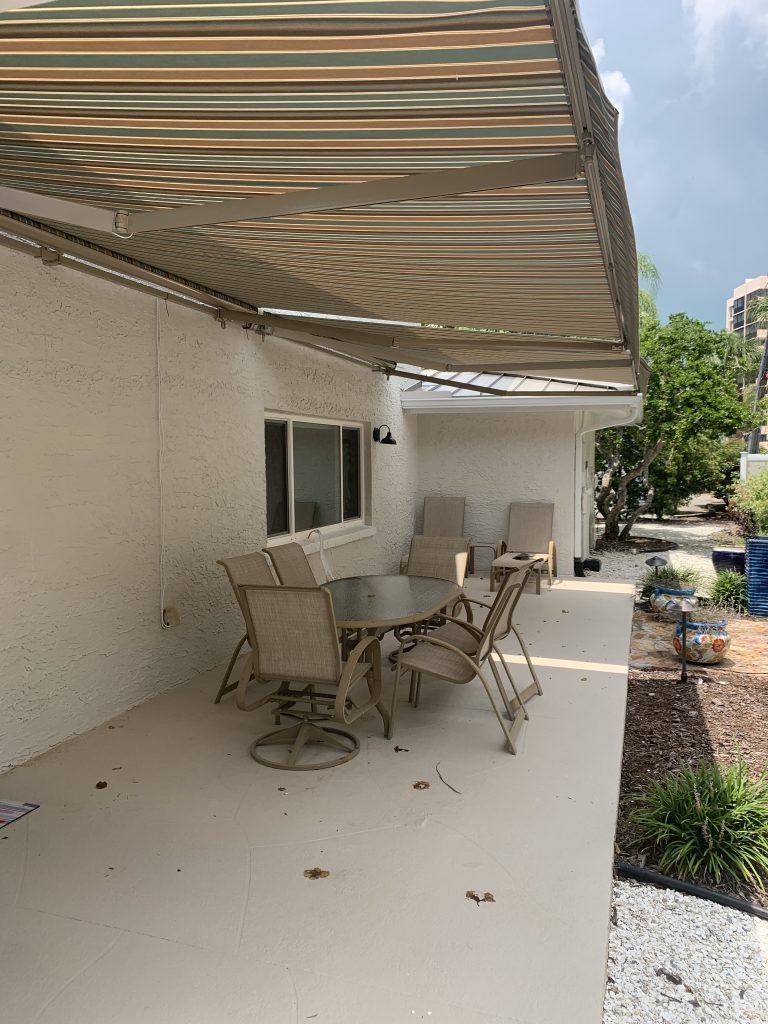
A Few Of Our Pics
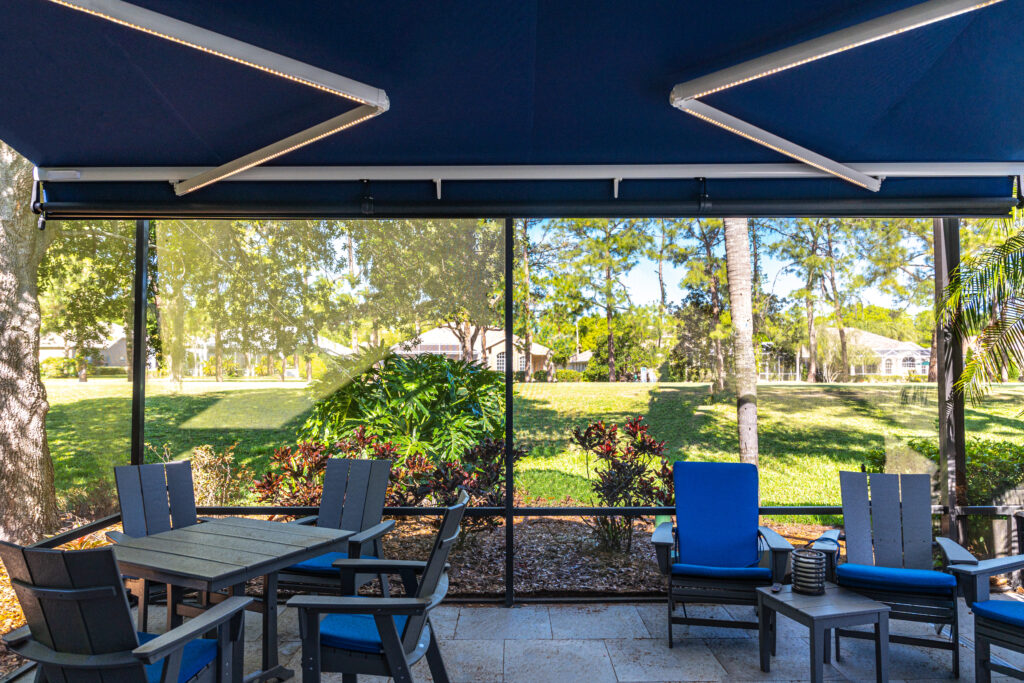
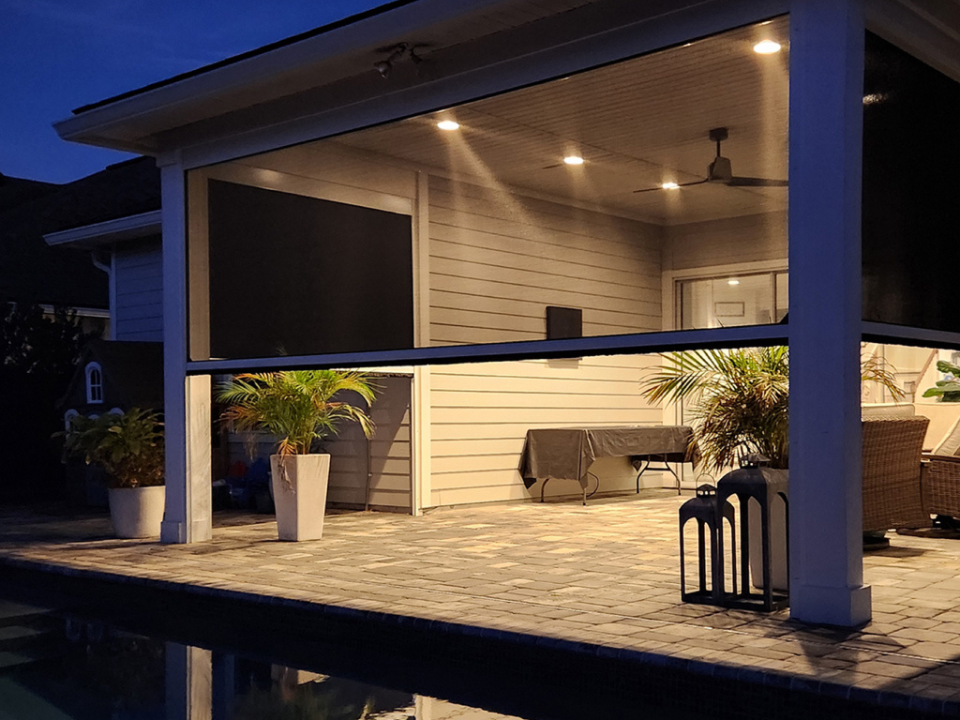
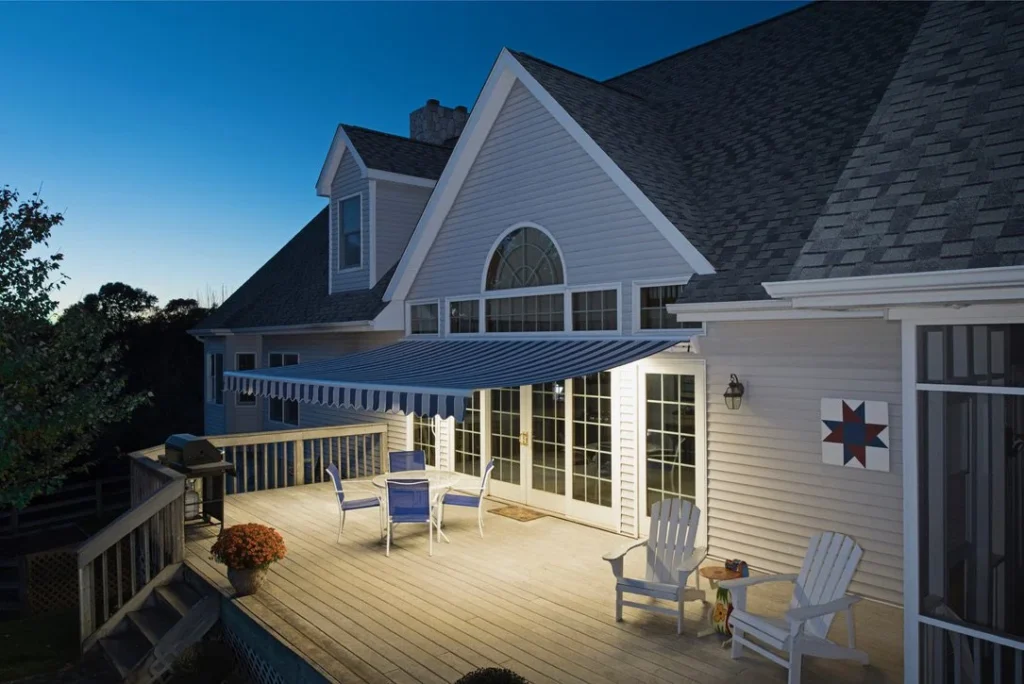
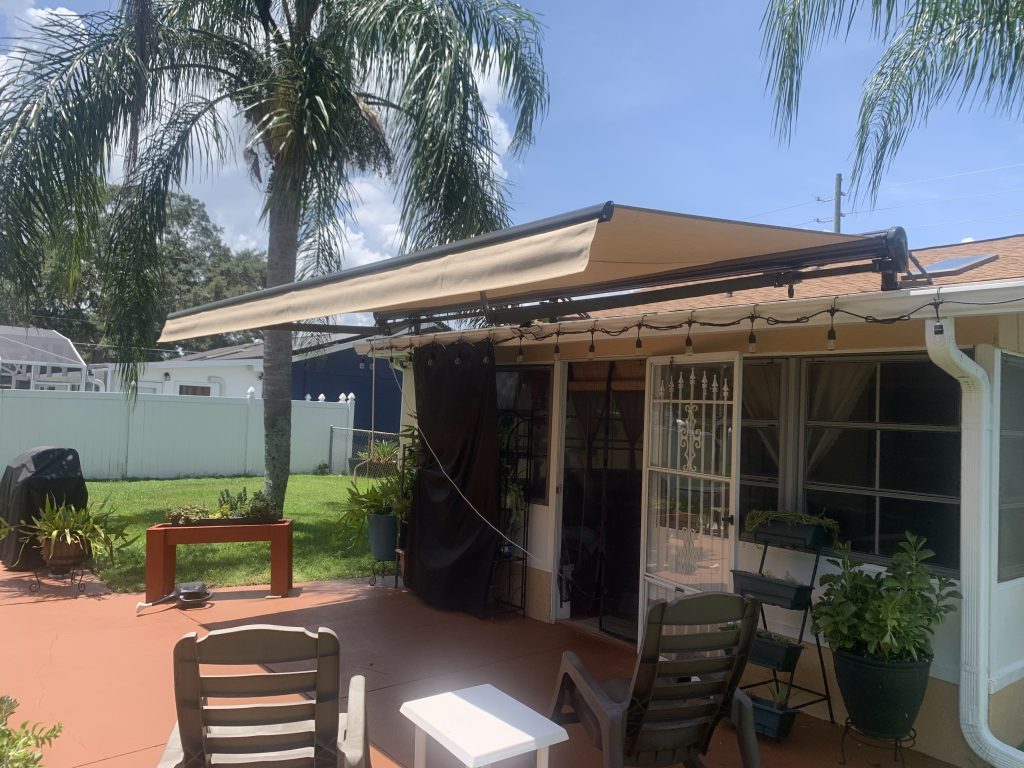
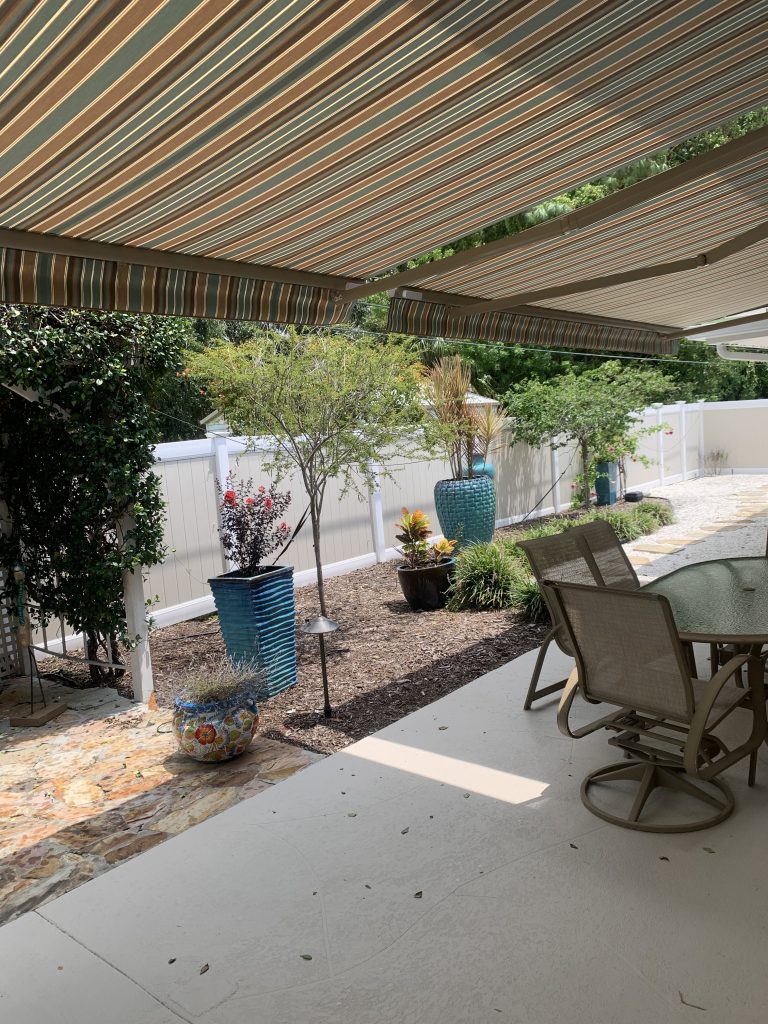
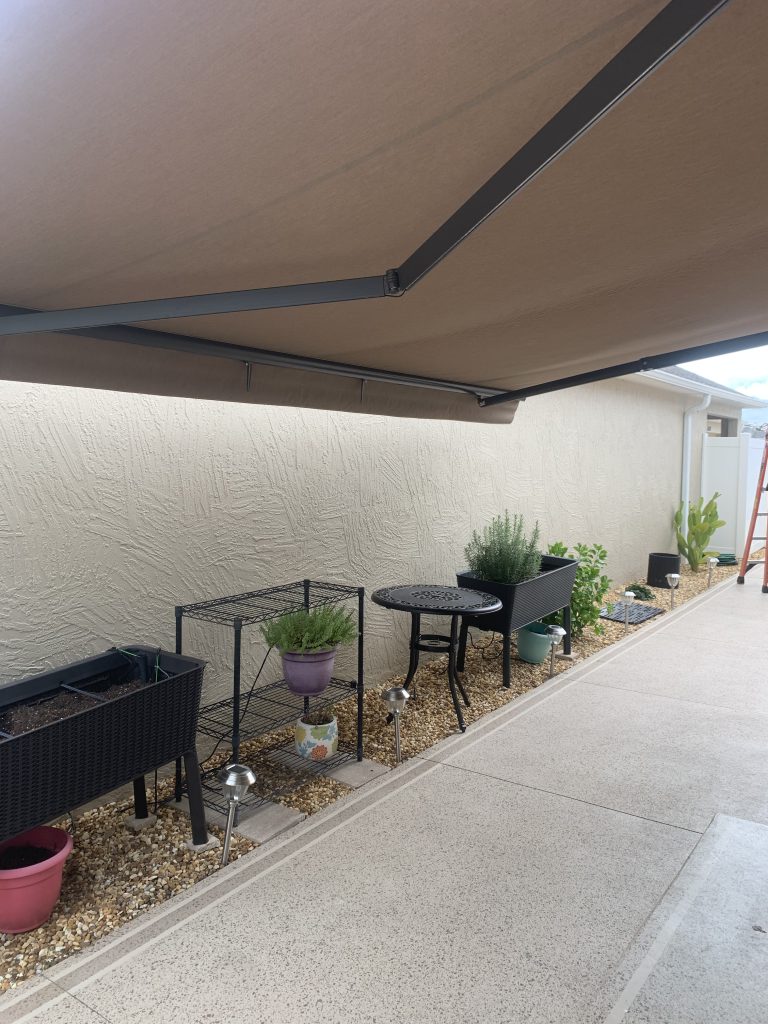
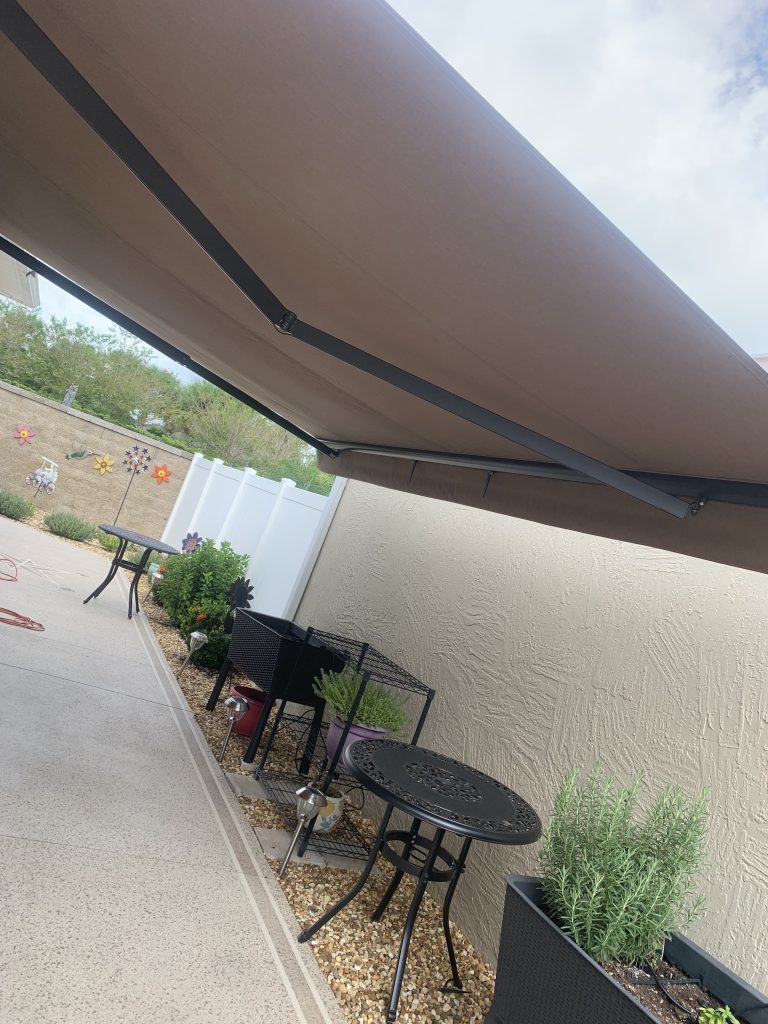
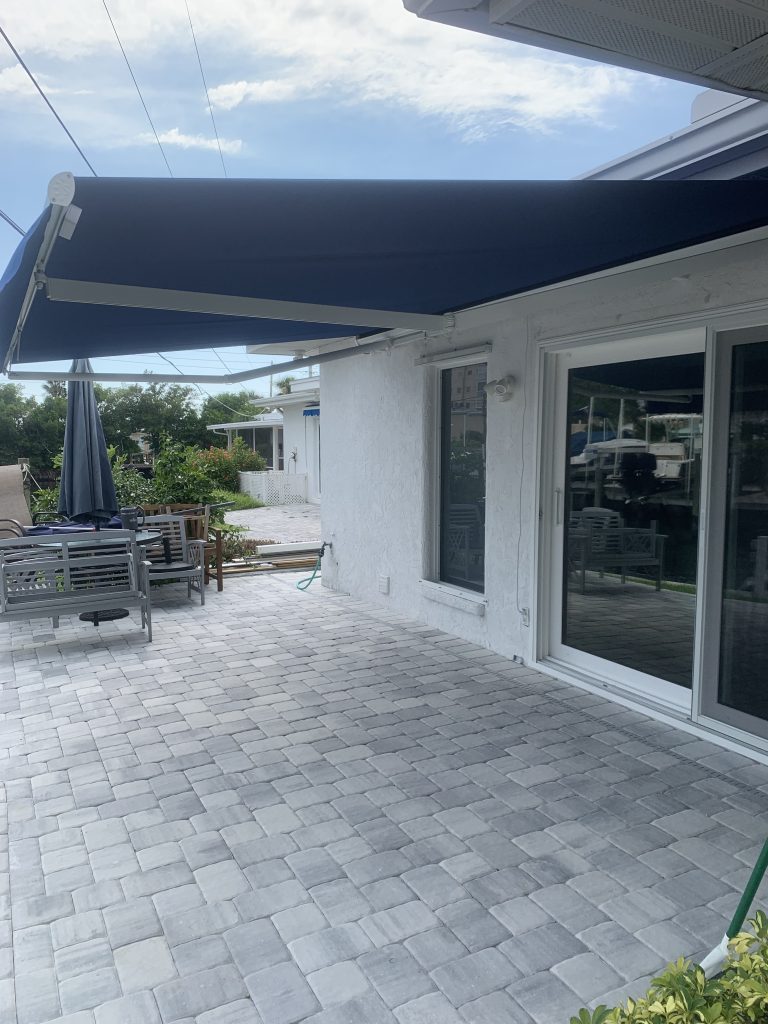
client testimonials

Imagine Your Porch This Summer
You deserve a beautiful outdoor space this year. The value of relaxed evenings and quality family time together is priceless.
real FAQ’S from our experience
Frequently Asked Questions
Q) Can I use my awning in the rain?
YES… but there as limitations. First and foremost, don’t ever allow water to accumulate on the awning fabric. Getting it wet is fine, but once water starts to build up it can possibly reach a point where the fabric may stretch, or in extreme cases, the weight of the built-up water could damage the awning frame/arms. The most prudent use of the awning would be to not leave the awning out unattended for long periods of time, such as overnight or when you are not at home. There are a few awning companies that have easily adjustable arm pitch controls that will allow the customer to safely and easily adjust the angle of the fabric so that water can’t accumulate on the fabric. Most of the largest awning companies in the USA have arms that can be adjusted for increased angle, but it requires tools, ladders and a helper. It is suggested that you have these adjustments made by an awning technician.
Q) What’s the estimated lifespan of an awning?
Most manufacturers use all aluminum structural components in their awnings now. However, there are several major manufacturers that still use steel, which we strongly suggest to avoid in any exterior applications like this. That being said, we commonly see fabrics being replaced in the 12-15 year age range. The motors can last just as long, if not longer. As long as the frame is not damaged and is used properly, they will last for decades.
Q) Can I use my awning in windy conditions?
YES… but there are limitations. Retractable awnings manufactured today are designed to ‘buffer’ in the wind, enabling the unit to move so as not to bend/break components. However, there are limitations to how much the awning should be allowed to move before damage to the framework can occur. Because of this, all motorized retractable awning manufacturers offer Wireless Wind Sensors as an option for their products. These ‘wind sensors’ are in fact ‘motion sensors’. They don’t measure wind speed, but the amount of movement of the awning. Once the awning crosses the threshold the wind sensor will send a signal to the motor to close. That being said, the wind sensor should not be used as a full time monitor, but instead looked at as a backup for when mistakes are made and the awning is mistakenly left extended and unattended. Most awnings are very sturdy and robust and will withstand windy conditions much better than most people would expect.
Q) What kind of warranty do awnings carry?
This varies depending on the manufacturer. Some carry some sort of Limited Warranty for 5 years, 10 years, and even some have Lifetime Frame warranties. Many have pro-rated aspects, as well as exclusions to their coverage. Currently none offer to cover Labor under their warranty, so the customer will be responsible for paying labor costs for warranty repairs.
Q) What about mildew?
Most of the major manufacturers of retractable awnings use a woven acrylic fabric that is naturally resistant to mildew. Mildew will not grow directly on acrylic fabric, but if there is enough dirt/dust/debris/pollen to serve as a barrier, then the mildew will grow on that. It is suggested to simply keep the fabric rinsed off, and this will keep mildew buildup at bay for years. We have had success with using multiple types of ‘anti-mildew’ cleaners on fabrics that have shown mildew buildup on older units.
Q) What options are available?
Wind Sensors, LED Lights, Cassette Housing, Wind Poles, Rain and Sun Sensors, WiFi/App Control and Front and Side Drop Screens (to block low angled sun from coming under the awning) are all options that most all manufacturers offer.
Q) What are the most common types of fabric available?
Woven acrylic fabrics similar to Sunbrella is by far the most popular type of fabric used by almost all manufacturers. It has been documented that woven acrylic is far superior in longevity and performance over other types of fabric, such as Polyester and Vinyl fabrics.
Q) Can I use my awning in the rain?
YES… but there as limitations. First and foremost, don’t ever allow water to accumulate on the awning fabric. Getting it wet is fine, but once water starts to build up it can possibly reach a point where the fabric may stretch, or in extreme cases, the weight of the built-up water could damage the awning frame/arms. The most prudent use of the awning would be to not leave the awning out unattended for long periods of time, such as overnight or when you are not at home. There are a few awning companies that have easily adjustable arm pitch controls that will allow the customer to safely and easily adjust the angle of the fabric so that water can’t accumulate on the fabric. Most of the largest awning companies in the USA have arms that can be adjusted for increased angle, but it requires tools, ladders and a helper. It is suggested that you have these adjustments made by an awning technician.
Q) What’s the differences between Pergolas and Awnings? Pros and Cons?
We are commonly asked about Pergolas vs Awnings. First and foremost, a pergola is a permanent structure, normally with posts that have to be set permanently into the ground or deck. In most cases, permits are required. Also, unless a full coverage pergola with a solid roof is installed, the more traditional slatted structure will not provide rain protection or full sun protection. When a full roof pergola is installed, many customers are unhappy with the significant loss of natural light inside the home. The beauty of a retractable awning is when you want sun and open air, you can achieve it. When you want coverage from poor weather or UV rays, you can achieve that as well. If you are in areas susceptible to hurricanes and such, your awning is retractable and able to be protected from damage, unlike a permanent structure. Lastly, comparable pergola systems tend to be much more expensive than the retractable awning options.
Q) What type of regular maintenance is required?
Most retractable awnings are fairly maintenance free. The motors are sealed and don’t require any regular maintenance. Lubricating the pivot points for the arms can be completed yearly, but it is not normally required. The only real upkeep is keeping the fabric free from dirt buildup which could lead to mildew. Other than that, they are relatively simple to take care of.
Q) What sizes do retractable awnings come in?
First off, the width of an awning describes the length of the awning from left to right as it hangs on the wall. The projection of the awning is how far it extends from the mounting surface. This answer varies from one manufacturer to another. For example, SunSetter awnings come only in 1’ increments from 8’ up to 20’ wide. If you need to cover more area, you will have to purchase two separate awnings. However, there are several other major manufacturers that offer fully customizable sizes (to the ½”) all the way up to 40’ wide. As far as projections, they widely vary also. Most companies offer arm projections of 8’, 10’, 12’ (or something close to those lengths), with a couple manufacturers offering commercial grade awnings that go out as far as 16’!
Q) How do awnings stand up to severe weather such as hurricanes?
As long as the awning is fully closed, high winds pose little to no concern.
Q) How are awnings attached to our home?
There are three main ways to mount an awning to a structure. Wall mounting, Roof mounting and Soffit mounting. The most popular and most stable style is a wall mount. However, you have to have a minimum height clearance (usually 7’6”), and no obstructions that may interfere with the awning. For example, you may have 8” of clearance between the top of you patio door and the soffit, which an awning would typically fit, but if the door was an out swinging door, there’s a good chance the door would interfere with the awning. In this situation we would suggest a roof style mount to raise the awning high enough that optimal pitch could be achieved without interfering with out swinging doors or windows.
Q) Can a retractable awning be used as a carport?
This is a common request. We certainly don’t ever suggest it is safe to leave an awning open and unattended over a vehicle. There is just too much uncertainty concerning poor weather and leaving the possibility of damage to the vehicle. However, we have had customers use them successfully with their vehicles. One customer wanted the awning to be able to wash his cars out of the harsh sun rays. Another customer was wheel chair bound and couldn’t fit his van into the garage. He would use the awning only when needed to stay out of the rain when he was exiting the van, and he did not leave the awning open and unattended over the vehicle.
Q) Do I need HOA approval and/or a permit?
Some HOA’s require approval and each one usually has different requirements. Please check with your HOA beforehand. Also, make sure you communicate it is for a retractable awning, and not just a fixed awning. Some HOA’s allow one and not the other. As far as permitting, each local jurisdiction can have different requirements. Most do not require permitting for retractable awnings except for commercial/public spaces. Again, make sure you communicate a retractable unit, as some states, like Florida, require fixed awnings to be permitted and inspected.
Q) Can awnings be left extended all the time?
Retractable awnings are retractable for a reason. They are meant to be a temporary solution to protection from rain and sun. If full time protection is needed, then a permanent solution should be explored. A retractable awning left open and unattended full time is just asking for trouble. At some point there will be a problem, it’s just a question of when.