If you have a porch in Central Florida and you are not using it as much as you should, chances are the bugs, the heat, or both are keeping you inside. A retractable screen porch system fixes that. Unlike a permanent screened enclosure, a retractable system gives you control. You decide when the screens come down and when the space opens up completely. No permanent visual clutter, no seasonal removal headaches, just a porch that works exactly the way you want it to.
The problem most homeowners run into is not deciding whether they want a retractable screen porch. It is figuring out which system is actually worth the investment. There are a lot of options on the market and the differences between them are not always obvious at first glance. This guide breaks down what separates a good retractable screen porch system from a great one and what Central Florida homeowners specifically need to think about before making a decision.
What a Retractable Screen Porch System Actually Does
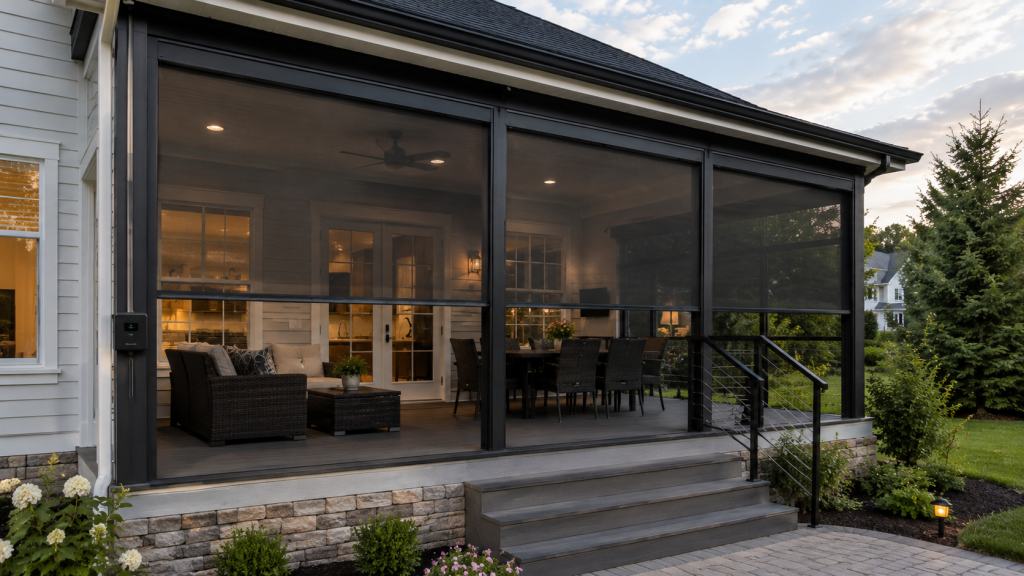
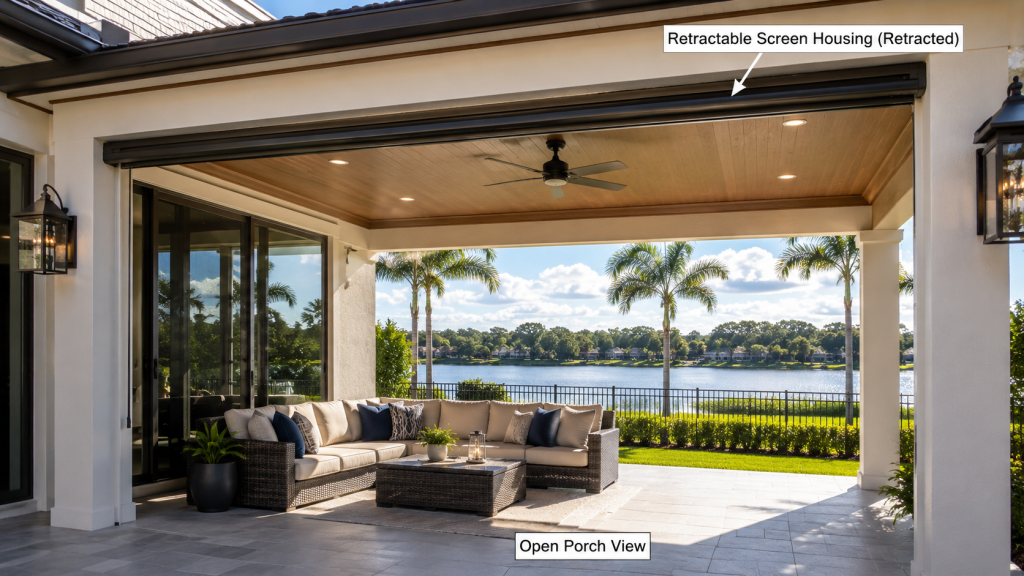
A retractable screen porch system is exactly what it sounds like. It is a screen that deploys when you want protection from insects, sun, or wind, and retracts out of sight when you want an open-air experience. The screen lives in a housing unit, usually mounted at the top of your porch opening, and travels along side tracks when extended.
What makes these systems more appealing than fixed screens is flexibility. On a breezy evening when bugs are not a concern, you can retract everything and enjoy a fully open porch. When mosquitoes are out in force or the afternoon sun is hitting your west-facing lanai hard, you deploy the screen in seconds. Fixed screens do not give you that choice.
For Florida homeowners, this distinction matters more than it does in most other parts of the country. The weather here shifts fast. A comfortable morning can turn into a brutal afternoon, and a calm evening can become a mosquito situation the moment the sun goes down. A retractable screen porch system is built for that kind of variability.
The Key Differences Between Retractable Screen Porch Systems
Not all retractable screen systems are built the same way, and the differences show up in performance, durability, and long-term value. Here are the factors that actually matter.
Track System: Zipper vs. Magnetic
The track is the part of the system that keeps the screen fabric in place as it extends and retracts. Most quality systems use one of two approaches: a zipper track or a magnetic track.
Zipper track systems guide the screen fabric through a channel on both sides of the opening. The fabric has a beaded or welted edge that locks into the track, which keeps it taut and secure even in moderate wind. This is the most common design among leading brands and it performs well in most residential applications.
Magnetic track systems, like the one used by MagnaTrack, take a different approach. Instead of a zipper, rare-earth magnets hold the screen in place inside the track. The screen self-corrects as it moves, which reduces the chance of the fabric catching or binding. The tradeoff is that magnetic systems tend to have a larger housing footprint and can be noisier during operation.
For most Central Florida porch setups, a quality zipper track system is going to be the right call. It handles heat, humidity, and the occasional afternoon storm well, and it keeps the housing profile slim so the system does not dominate the look of your porch.
Motorized vs. Manual Operation
Manual retractable screen systems use a spring-loaded mechanism or a pull strap to deploy and retract the screen. They cost less upfront and have fewer components that can fail over time. If simplicity and budget are your priorities, a well-made manual system is a reasonable option.
Motorized systems are the more popular choice for a reason. With a remote, a wall switch, or a smart home integration, you can deploy your retractable screen porch without getting up from your chair. Higher-end motorized systems can also be equipped with sun and wind sensors that automatically deploy or retract the screen based on conditions. In Florida, where you want screens down before the bugs show up and not after, that kind of automation has real daily value.
When evaluating motorized systems, pay attention to the motor warranty. Warranties in this category range from a couple of years to seven years depending on the brand. A longer motor warranty is a direct indicator of how much confidence the manufacturer has in their product.
Fabric Options and What They Mean for Florida
The screen fabric is where a retractable porch screen system does most of its actual work. Modern systems offer more than basic insect mesh. The main fabric categories are insect mesh, solar shade fabric, and clear vinyl.
Insect mesh is the most breathable option. It blocks bugs and allows maximum airflow, which is important in Florida’s humid summers when you want every bit of breeze you can get. If your porch is well-shaded and bug protection is your main concern, insect mesh is the right choice.
Solar shade fabrics come in varying levels of openness, typically measured as the percentage of sunlight they block. A fabric with a 3% openness factor blocks significantly more UV and heat than one with a 10% openness factor. For south or west-facing porches that take the brunt of the afternoon sun, a solar shade fabric can make a meaningful difference in how comfortable the space is and can even help reduce cooling costs inside the home.
Clear vinyl is used when weather protection is the goal. It keeps wind and rain out while still allowing visibility. Some homeowners pair a clear vinyl system with a separate insect screen system to get full-season coverage.
Many retractable screen porch setups in Central Florida use a combination of fabric types across different openings. Insect mesh on sides that face the yard, solar fabric on the sun-exposed side. That kind of customization is one of the real advantages of going with a quality system installed by someone who knows the product.
Sizing and Custom Fit
One area where you absolutely do not want to cut corners is sizing. A retractable screen porch system that is trimmed to fit rather than built to fit is going to give you problems. Quality systems are made to order based on the exact dimensions of your opening, which means no gaps at the sides, no sagging fabric, and no awkward overlap.
Single panel systems typically cover openings up to 16 feet wide. Double panel or dual systems handle wider openings, generally up to 26 or 30 feet depending on the manufacturer. If your porch has a large opening, make sure the system you choose is designed for it. Some brands cap out at 20 feet, which creates issues for larger lanais that are common in Central Florida homes.
What to Watch Out For
There are a few things that separate a system that holds up from one that does not.
Housing size matters more than most people think. A bulky housing unit draws the eye and can look out of place on a well-designed porch. The best systems on the market have slim, low-profile housings that sit discreetly at the top of the opening and are barely noticeable when the screen is retracted.
Wind performance is another consideration. In Florida, afternoon storms and tropical weather are not edge cases. A system that performs well in light breeze but blows out in a summer thunderstorm is not a system designed for this region. Look for systems with positive track engagement, whether that is a zipper edge or a well-tensioned magnetic design.
Finally, installation quality matters as much as the system itself. A well-made retractable screen porch system installed incorrectly is still going to give you problems. Misaligned tracks, improper housing placement, and inadequate anchoring all show up quickly in Florida’s heat and humidity. Working with an installer who has hands-on experience with the specific system you choose is not optional if you want the thing to work well for the next ten to fifteen years.
Maintenance: Simpler Than You Think
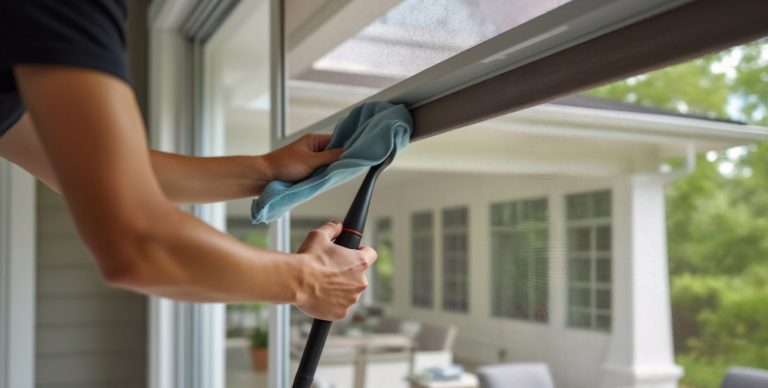
One of the things that holds people back from investing in a retractable screen porch system is concern about maintenance. In practice, keeping a quality system in good shape is not complicated. Cleaning the tracks monthly to remove debris, applying silicone lubricant to the track channels a few times a year, and inspecting the fabric and pull bar periodically is enough for most systems.
What you want to avoid is letting small issues compound. A grain of sand in the track that causes the screen to skip off course is an easy fix if you catch it early and a more involved repair if you ignore it for a season. Florida’s environment, the pollen, the humidity, the afternoon rain, means the tracks need a little more attention than they would in a drier climate. Build a quick monthly check into your routine and the system will perform consistently for years.
What Sets a Good Installation Apart in Central Florida
Florida’s climate creates specific demands that a generic installation approach does not always account for. The combination of intense UV exposure, high humidity, salt air in coastal areas, and summer storm activity means hardware needs to be corrosion-resistant, fabric needs UV stability, and the entire system needs to be anchored in a way that handles real wind loads.
A retractable screen porch system that works well in the Mid-Atlantic or the Pacific Northwest is not automatically going to hold up the same way here. Central Florida installers who specialize in these systems know how to spec the right fabric openness for different porch orientations, how to anchor housings into different framing materials, and which systems have the track performance to handle Florida weather rather than just looking good in a product brochure.
Is a Retractable Screen Porch System Worth the Cost?
A motorized retractable screen porch system is a custom home-improvement project, and the final scope depends on the openings, screen type, mounting conditions, controls, electrical requirements, and selected options. Central Florida Awnings does not provide ballpark pricing online. After a free on-site evaluation, we provide a complete written quote for the exact system and installation.
What you are paying for is flexibility, longevity, and a porch that you actually want to use. Fixed screens sit there whether you want them or not. A retractable screen porch system disappears when you want the view and deploys in seconds when you need the protection. For a Florida homeowner who wants to get real year-round value out of their outdoor space, that difference is meaningful.
The fabric on a retractable system also lasts longer than fixed screen material because it is stored inside the housing when not in use, protected from constant UV exposure and weather. That translates to fewer replacements over the life of the system and a better long-term cost-per-year calculation than the upfront price suggests.
A well-chosen, properly installed retractable screen porch system is one of the better investments you can make in a Florida home’s outdoor livability. If you are ready to turn your porch, lanai, or covered patio into a space you actually use year-round, explore our motorized screen services to see the systems we install across Central Florida, or call us at (844) 629-6464 to talk through what makes sense for your specific setup.